

Helping children know who they are early so nobody else gets to decide for them.
Play-based tools that teach toddlers to process emotions, hold boundaries and trust their own voice before the world teaches them to ignore it.
Your child melts down. You distract. The moment passes. Nothing changes.
You hand over a screen. You redirect to a snack. You rush them past the feeling because you need them calm right now.
Here is what I also saw. Kids who never learned to process emotions at 2 became kids who could not regulate at 5. They grew into adults who struggled to name what they felt, ask for what they needed or walk away from relationships that hurt them.
That is what Heartfelt Primary protects against.
Social-emotional learning tools
Social-emotional learning tools
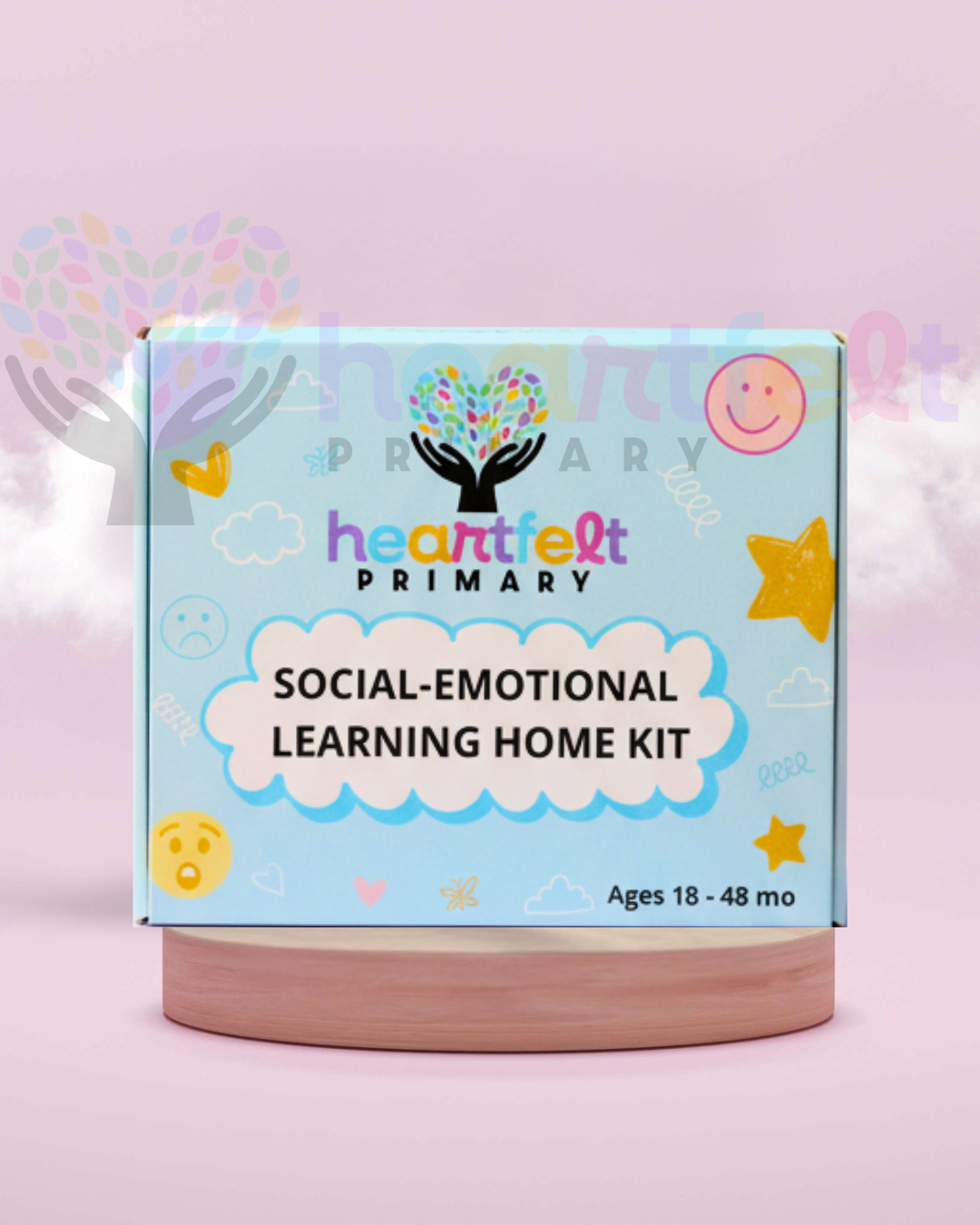
Everything you need to turn daily moments into identity building practice
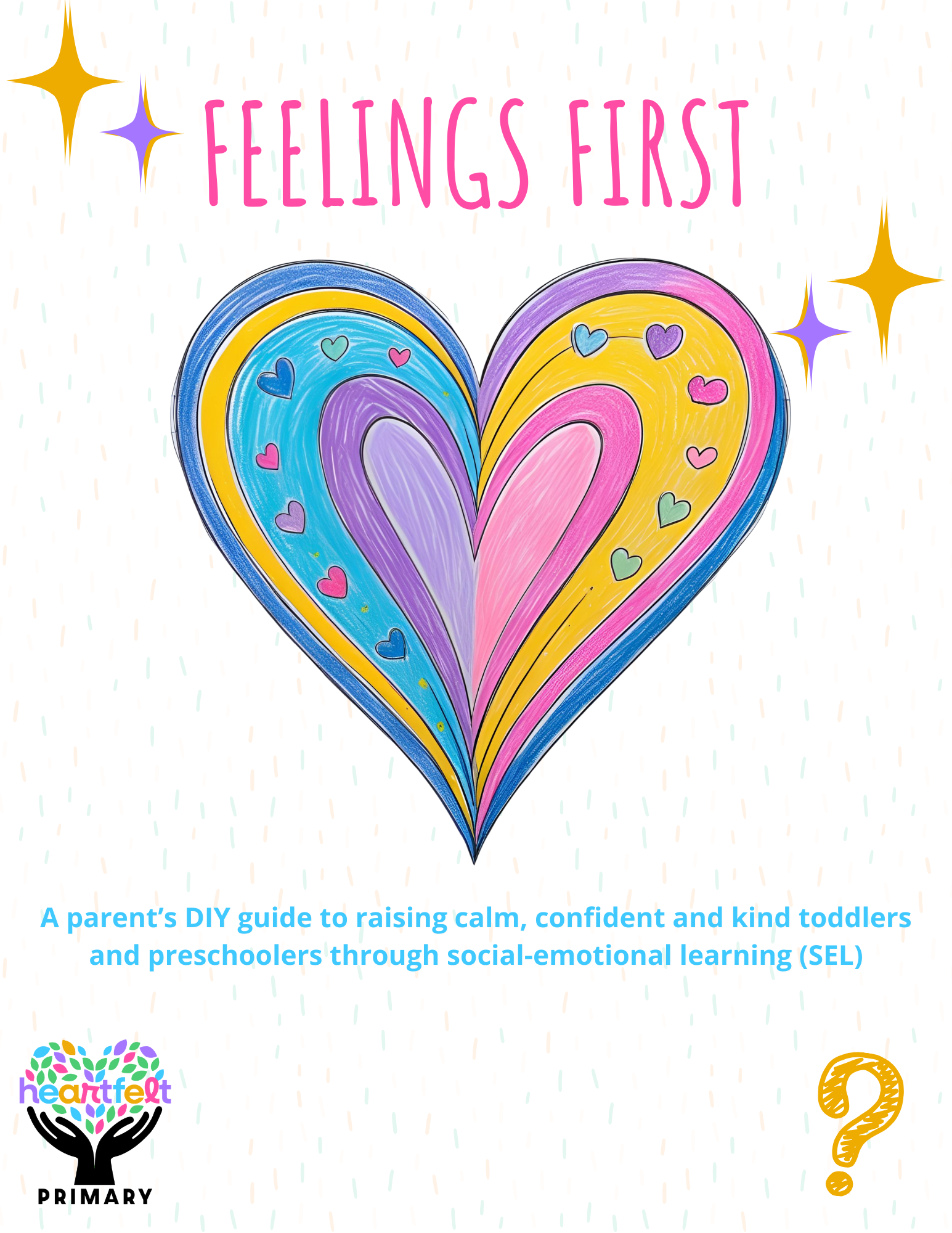
Same framework with hands on assembly for families who like to build
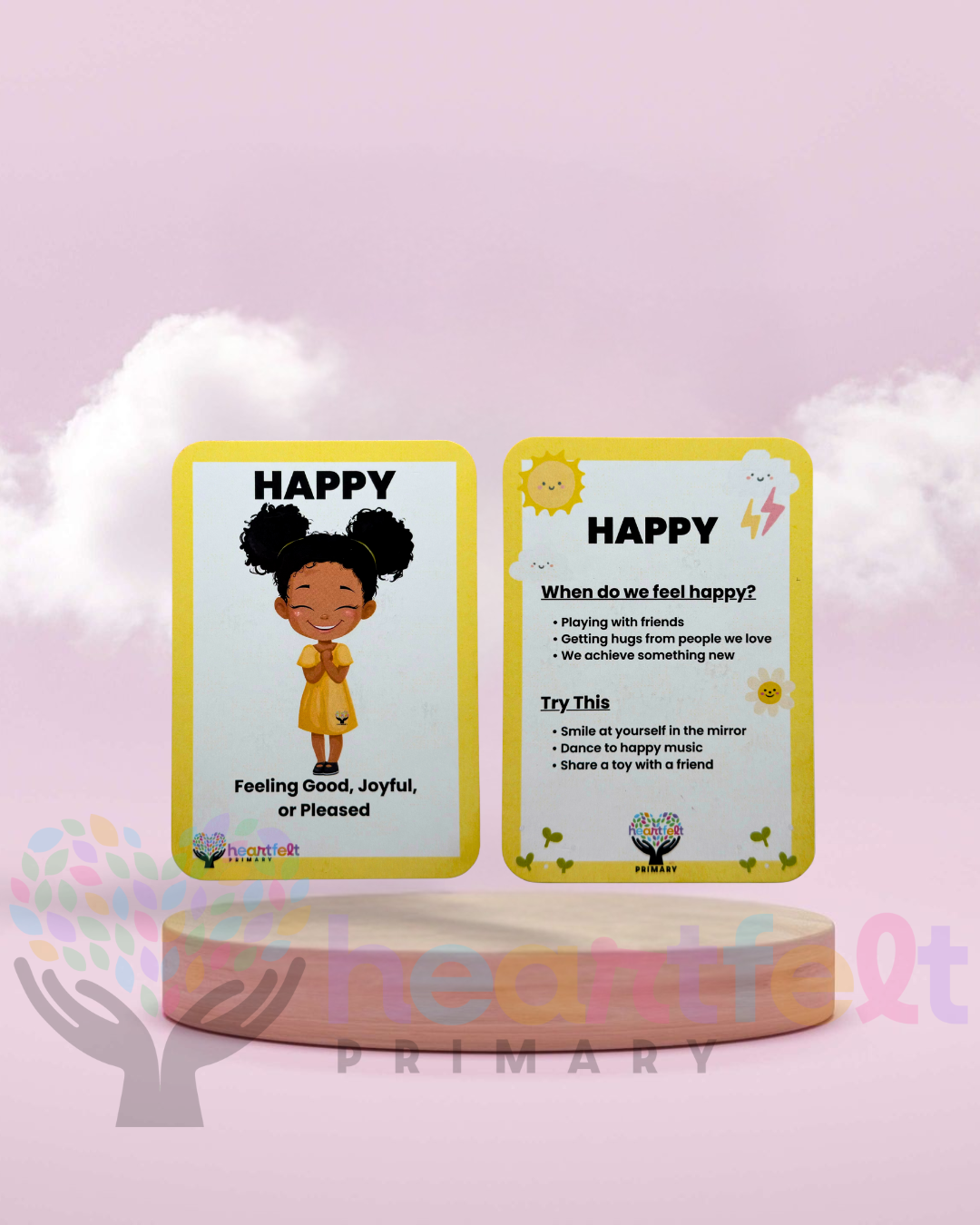
Start with one piece and grow from there
Each kit gives you visual tools sized for toddler hands. Emotion cards that help them name what they feel. Mood boards that show recognition in action.
Calming tools that teach self-advocacy. Parent guides that show you how to use every piece in real moments.
We do not stop emotions. We teach kids what to do with them.
1
Notice The Moment
Your child is overwhelmed. Frustrated. Pulling away. Saying no. This is not bad behavior. This is information.
2
Name What They Feel
You help them put words to the feeling. Not to fix it. Not to rush past it. To show them their emotions have language and deserve space.
3
Process and Move Forward
They learn how their body calms. What helps them regulate. How to ask for what they need. This is how boundaries start.
18 to 48 months. This is when emotional identity forms.
I spent years studying child development and years watching it play out in real time with two and three-year-olds. These early years are not practice. They are the foundation. Teaching emotional skills later helps. Teaching them now changes the entire structure.
Why I Built Heartfelt Primary
You learn a lot about human nature when you spend your days with two and three year olds.
In my classroom I watched toddlers do something most adults struggle with. They set boundaries without apology. A two year old would look at a classmate and say "I am still playing with that." A three year old would say "I do not want a hug right now." Another would cover their ears and walk to the quiet corner when the room felt too loud.
Parents would come to me and say "She is being so difficult" or "He never shares." What I saw instead was a child who knew exactly what they needed and was not afraid to say it.
Those were my first real lessons in boundaries. Not from books. From toddlers who had not yet been taught to ignore themselves.
I did not grow up with that kind of freedom. I grew up as an only child althoght I wasn’t. My parents loved me deeply, but I learned early to be quiet. To carry my feelings inside so I would not rock the boat.
That silence followed me into friendships where I made myself small to keep the peace. It followed me into a relationship that became seven years of mental and emotional abuse. For seven years someone else narrated my identity for me.